Peripheral Nerve Tumor Surgery
Surgery to remove a tumor growing from a peripheral nerve, using microsurgical technique and nerve monitoring to protect the nerve's function.
What Is Peripheral Nerve Tumor Surgery?
Peripheral nerve tumor surgery removes a tumor that grows from one of the nerves running through the body, outside the brain and spinal cord. Most of these tumors are benign schwannomas or neurofibromas. The aim of surgery is to take out the tumor while protecting the nerve it grew from, so the patient keeps the strength and feeling that nerve controls.
How the tumor is removed depends on its type. A schwannoma usually arises from a single fascicle, or bundle of nerve fibers, and sits inside a capsule that separates it from the working fibers. This structure often allows a technique called intracapsular enucleation: the surgeon opens the capsule, removes the tumor from within, and leaves the surrounding functional fibers intact. A neurofibroma is more challenging because it grows within and among the nerve fibers themselves, so complete removal sometimes involves part of the nerve.
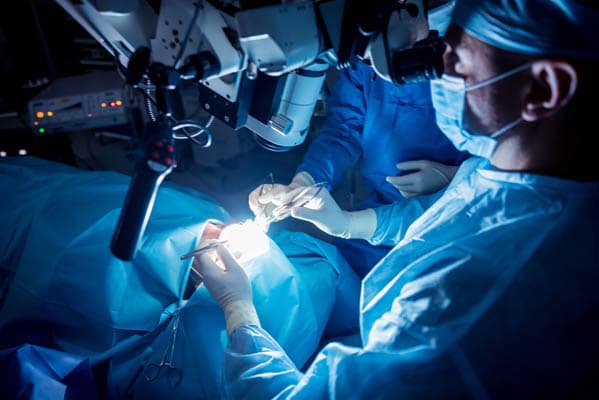
The operation is done with a microscope and fine instruments. The surgeon works under magnification to find the plane between the tumor and the nerve, which is the step that makes nerve-sparing removal possible. Identifying that plane carefully is central to the procedure and is one reason peripheral nerve surgery is treated as a specialized area.
Surgery for a malignant peripheral nerve sheath tumor is different. Instead of separating the tumor from the nerve, the goal is wide removal of the tumor along with a margin of healthy tissue, usually combined with radiation and sometimes chemotherapy. The plan for a malignant tumor is made by a multidisciplinary team. Dr. Sherman has experience treating peripheral nerve tumors at Rutgers Cancer Institute in New Brunswick, NJ.
Call our office at 732-235-6333 or send us a message.
The information on this page is general educational information and is not medical advice. It does not create a doctor-patient relationship or reflect a treatment recommendation for any individual. Treatment decisions require an individual evaluation by a qualified physician.
Conditions Treated with This Surgery
Peripheral nerve tumor surgery addresses tumors arising from the nerves outside the brain and spinal cord. The condition page covers symptoms, diagnosis, and the full range of treatment options.
Using XR Technology To Advance Medical Care
Dr. Sherman integrates VR and AR visualization into surgical planning and patient education, giving patients a clearer picture of their diagnosis and the approach to treatment.
Common Questions About Nerve Tumor Surgery
Not always. A schwannoma is often removed when it causes symptoms such as pain, numbness, or weakness, or when it is growing on imaging. A small schwannoma that causes no symptoms and is stable can often be watched with periodic MRI instead. The decision weighs the benefit of removing the tumor against the risk to the nerve, and it differs from patient to patient.
Newly Diagnosed or Seeking a Second Opinion?
Dr. Sherman is accepting new patients at Rutgers Cancer Institute in New Brunswick, New Jersey. A consultation is the first step toward understanding whether surgery, monitoring, or another approach fits your situation.